originally published January 2, 2012
Every year, approximately 35 new pilots are aired on network television (source: my propensity for made-up numbers). Of those, about 600 are cop shows, each looking for a unique slant on the genre:
He’s a veteran cop from the gritty inner-city streets of Hartford. She’s a Holstein-Friesian, raised on corn in the fields of rural Wisconsin. Together, they are HOOVES IN THE ‘HOOD. Thursdays on Fox.
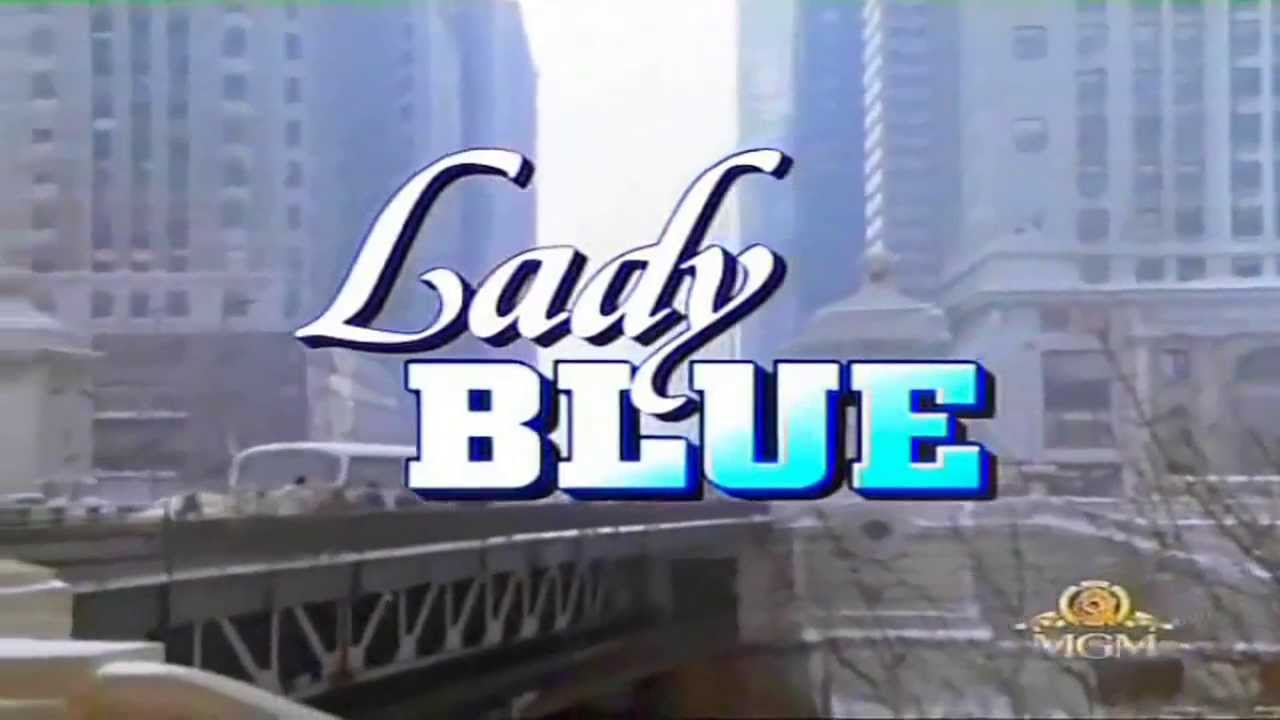
Back in the 1980s, the notion of a female homicide detective was as obscure and imaginative as anything else on television, so ABC launched the show that sparked today’s column: Lady Blue.
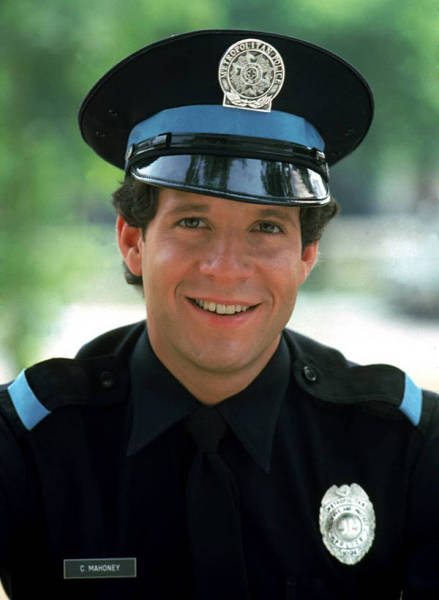
Lady Blue followed the rugged escapades of Katy Mahoney, suitably Irish-named enough to be a cop, but again: she’s an actual WOMAN! She grew up in the shadow of her tough father and her tough brother, both of whom were tough Chicago cops, killed in a tough, gruesome hail of cliché bullets in the line of duty. Mahoney is mightier than both Cagney and Lacey combined (kids, you can look up that reference or ask your parents). After her lover (also a cop) is brought down in a drug deal gone bad, Mahoney gets darker and grittier. She is transferred to another squad, where she regularly butts heads with her Lieutenant over her no-nonsense, violent approach to apprehending criminals.
There are so many tired and over-used cop-show tropes gushing from that last paragraph, I’ll need a squeegee to tidy this place up for tomorrow’s column. I count eleven, plus another if you add the name ‘Mahoney’ as a cop protagonist.
ABC had a lot of confidence in the show, so to let it grow and develop, they dropped it into a cushy timeslot, specifically on Thursdays, opposite two shows nobody ever watched on NBC, Cheers and Night Court. Needless to say, it lasted four months and thirteen episodes before ABC dropped the ax.
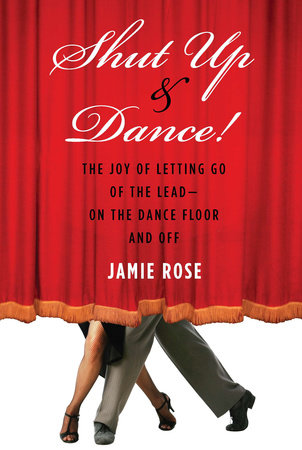
Jamie Rose played the lead in Lady Blue – yes, that Jamie Rose. The one you’ve probably never heard of. She appeared on the prime-time soap opera Falcon Crest from 1981 to 83, probably leaving the show in anticipation of this big break. Her IMDb page lists numerous one-off guest roles on series like NYPD Blue and ER, and she also starred with Billy Bob Thornton in something called Chopper Chicks In Zombietown in 1989. In 2011 she released a self-help book about how learning the tango affected her love life. I am not making this up.
Other roles in the show include “Cassidy”, probably Mahoney’s hapless partner, “Sgt. Gino Gianetti”, played by Andy’s father from The Breakfast Club, and “Lieutenant Terry McNichols,” played by Danny Aiello, who was probably a little happier with his work in Do The Right Thing or Godfather II.
Original thoughts were never essential to launching a successful network cop show. NYPD Blue scored big because of the tantalizing hope that we’d be treated to a shot of Dennis Franz’s bare ass (and, dear God, we got it). The CSI series worked because of the unique – and now tired – formula of piecing together the puzzle from a forensics perspective. The Wire was a hit because it wasn’t on a network, and was then free to build an entire scene based solely on the word “fuck”.
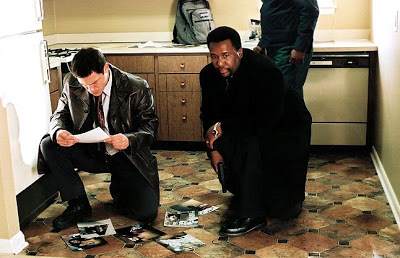
Some other cop shows tried to find their own twist, with limited success:
- Dempsey & Makepeace was a British cop show about a snooty female detective who was paired with a tough New York City cop, thanks to an international undercover police exchange program which most certainly really exists.
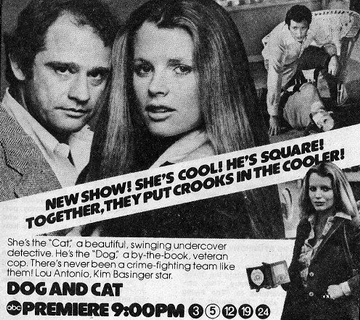
- Dog And Cat paired a streetwise LA undercover cop with a rookie female cop what was sure to be the smash hit of the 1977 schedule, but somehow only lasted six episodes. The rookie cop was played by Kim Bassinger, and she drove a VW Beetle with a Porsche engine. Hot.
- Beverley Hills Buntz was Dennis Franz’s paycheck in between Hill Street Blues and Die Hard 2: Die Harder. It was in fact a spin-off of the former, in which Franz’s morally grey character was re-positioned as a private eye in a sitcom-ish environment. Nine episodes. Well done.
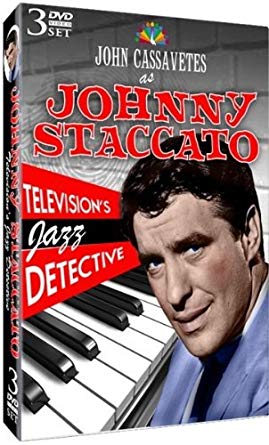
- Johnny Staccato ran for 27 episodes on NBC, starting in 1959. Johnny, played by future Rosemary’s Baby star John Cassavetes, was a jazz pianist / private eye, and the series was based out of a jazz club in Greenwich Village. I did not know the networks made such an effort to cash in on the late-50s jazz craze.
- Speaking of music and cops, there was also Cop Rock. Nothing more needs to be said about Cop Rock.
- Khan! was a cop show about a Chinese cop in San Francisco. It aired for four episodes in 1975, so clearly the connection to Bill Shatner’s 1982 movie exclamation is pure coincidence.
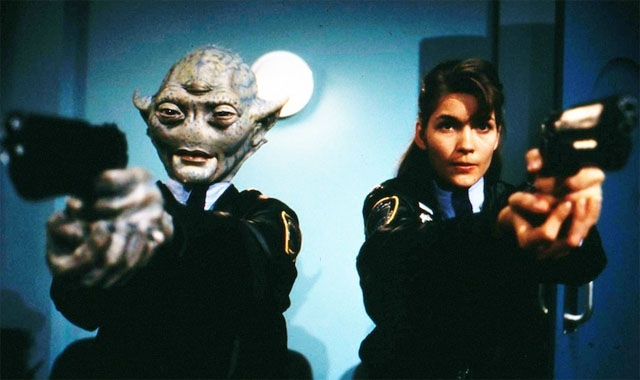
- Space Precinct was a British show about a tough New York cop (played by… Ted Schackelford from Knott’s Landing?) who is assigned to the Demeter Police Force on the planet Altor in the Epsilon Eridani System. This happens in 2040, so the network’s mid-90s optimism about our space program was, in hindsight, quite admirable. The show lasted an entire season, and featured these two:
- Sonny Spoon was a 1988 flop from the mind of Stephen J. Cannell, the genius who gifted our lives with The A-Team and Greatest American Hero. It starred Mario Van Peebles as a smooth-talking, hip (but no doubt safe enough for white viewers) private eye and master of disguise. Who knows – this might have been a hit if weren’t for the stupid title.
- Wolf starred Jack Scalia and Lou Ferrigno, and focused on Tony Wolf (get it?), a cop who was unjustly run off the San Francisco Police force, but returned to the city to work as a fisherman / private investigator. Twelve episodes.
So it seems that a network will green-light any cop show concept that mixes nine parts cliché with one part quirky twist. The formula has to stay almost completely familiar, but one thing – even the most minute detail – has to make it stand out from the norm. This probably bodes well for Hooves In The ‘Hood.

 1000 Albums, 1000 Dates